

Botanicals & Nature’s Wisdom — Kawakawa
Kawakawa has always felt like more than an ingredient to me. It’s a plant with presence — quietly powerful, deeply rooted in place, and woven into everyday life here in Aotearoa. This journal is about honouring Kawakawa not just for what it does, but for where it comes from, and the knowledge that surrounds it.
Where Kawakawa Grows
Kawakawa grows abundantly throughout the North Island and into the upper regions of the South Island, with its southern limit reaching parts of Canterbury. It thrives beneath the forest canopy, growing best in dappled light under larger trees, where the soil is rich in organic matter and well-draining.
When I was living in Christchurch, I used to visit a family friend’s cottage in Akaroa. They kindly allowed me to harvest Kawakawa growing on their property — healthy, vibrant plants that were clearly thriving in that sheltered, forested environment. Those leaves became some of the first Kawakawa-infused oils I made, and they remain deeply connected to my understanding of the plant.
Kawakawa is generous by nature. It grows easily in the right conditions and doesn’t require heavy harvesting — a little truly goes a long way.

Kawakawa in Rongoā Māori
Kawakawa has been used for generations in rongoā Māori, valued for its wide range of healing properties. Traditionally, it has been used for its anti-inflammatory, analgesic (pain-relieving), and antimicrobial qualities, making it an incredibly versatile plant in everyday wellbeing.
Because Kawakawa contains powerful active compounds within its leaves, it has long been relied upon to support many different ailments. Its abundance also meant it could be used thoughtfully and sustainably — taking only what was needed, with respect for the plant and the ecosystem around it.
Traditional Uses and Modern Skincare
Traditionally, Kawakawa was used as a natural pain reliever. The plant contains pellitorine, a compound known for its numbing effect, which made it especially valuable for toothaches, skin discomfort, and general pain at a time before modern pain relief was available. It was also used both externally and internally to support skin health, digestion, and stomach pain.
In modern skincare, Kawakawa continues to show its versatility. It is widely used to support inflammatory skin conditions such as eczema, psoriasis, dermatitis, fungal infections, and insect bites. On a daily basis, it helps keep the skin balanced — calming inflammation, discouraging bacterial spread, supporting acne-prone skin, and promoting a more even skin tone.
It really is a quiet powerhouse.
Supporting the Skin Barrier and Healing
Inflammation is often at the root of many skin concerns. Kawakawa’s strength lies in its ability to calm and regulate that response. Compounds such as diayangambin and myristicin contribute to its strong anti-inflammatory action, helping protect the skin’s natural barrier.
When the skin is already out of balance, Kawakawa works gently over time — supporting repair, soothing irritation, and encouraging the skin back toward equilibrium rather than forcing quick fixes.
Honouring Knowledge, Land, and Place
Using Kawakawa in skincare is one way of honouring local knowledge — by sharing it carefully, respectfully, and with education at its core. When we understand how the land serves us, we begin to understand our responsibility in return. You get what you give.
Kawakawa is native to Aotearoa and thrives in relationship with the other plants, birds, insects, and soil of this ecosystem. Harvesting and processing it here matters. People who work with Kawakawa in New Zealand understand its rhythms — when to harvest, how much to take, and how to care for the plant so it continues to thrive.

Kawakawa and the Tahi Philosophy
Kawakawa reflects everything Tahi believes in: slow care, thoughtfulness, and connection to place.
And honestly — it’s just so beautiful. The large, heart-shaped leaves, the vibrant green, the way it grows into full, generous shrubs. Every time I apply our oil moisturiser, I can picture the Kawakawa itself — growing quietly in the forest, doing what it’s always done.
To me, that’s thoughtful skincare. Using whole-plant ingredients you can recognise on your favourite bush walk. Knowing where they come from. Feeling that connection each time you use them.
That’s the kind of care Tahi stands for — steady, grounded, and deeply rooted in home.
Read more

Phoebe is a Somatic Facialist who is devoted to helping people nurture a deeper, more loving relationship with their face. Her work is grounded in the Face Up Method and enhanced by Sola’s signatur...
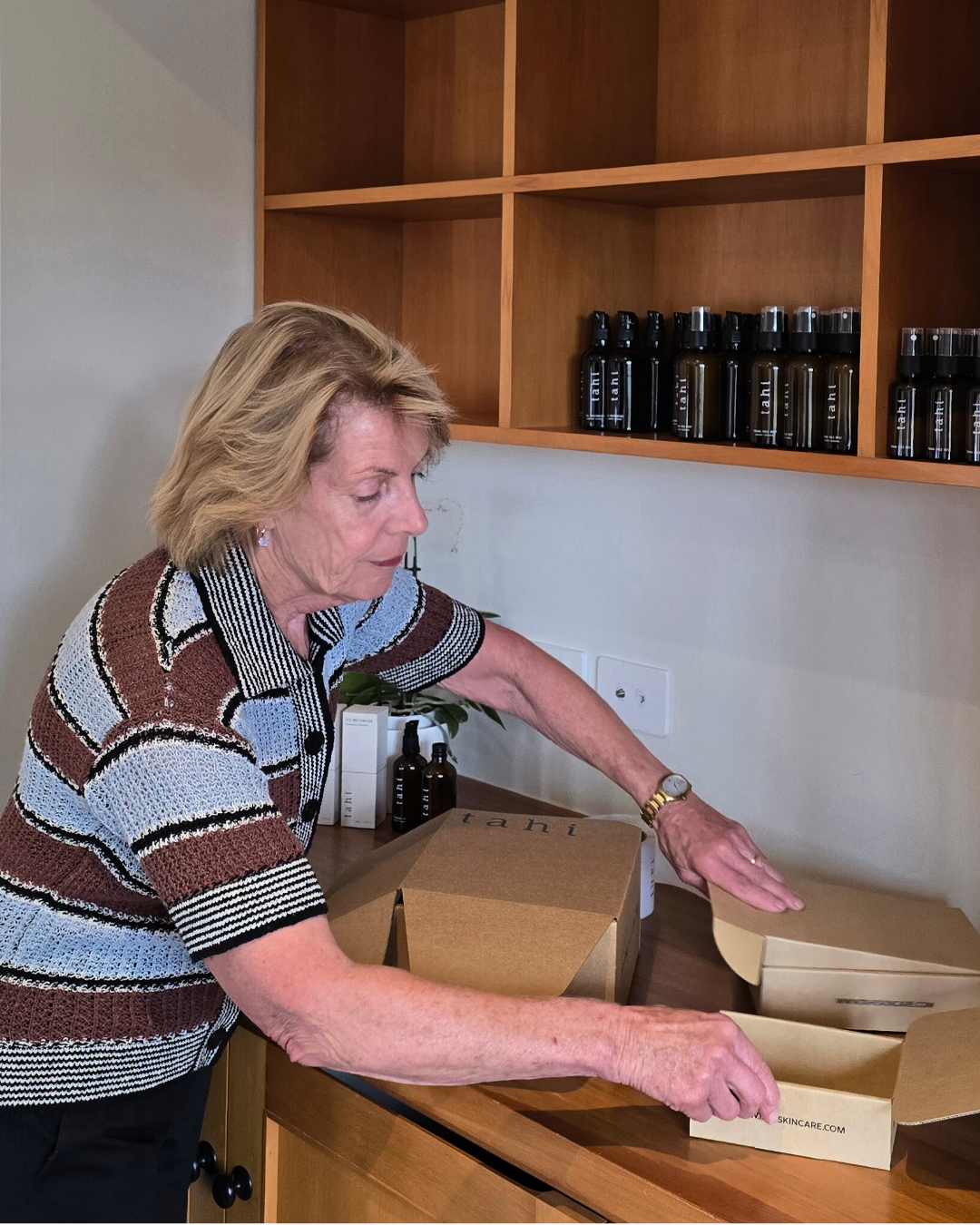
Rituals We Share is a journal series that steps closer to the people who use our products every day. These are real stories from real lives — shaped by family, work, age, seasons, and everything in...