

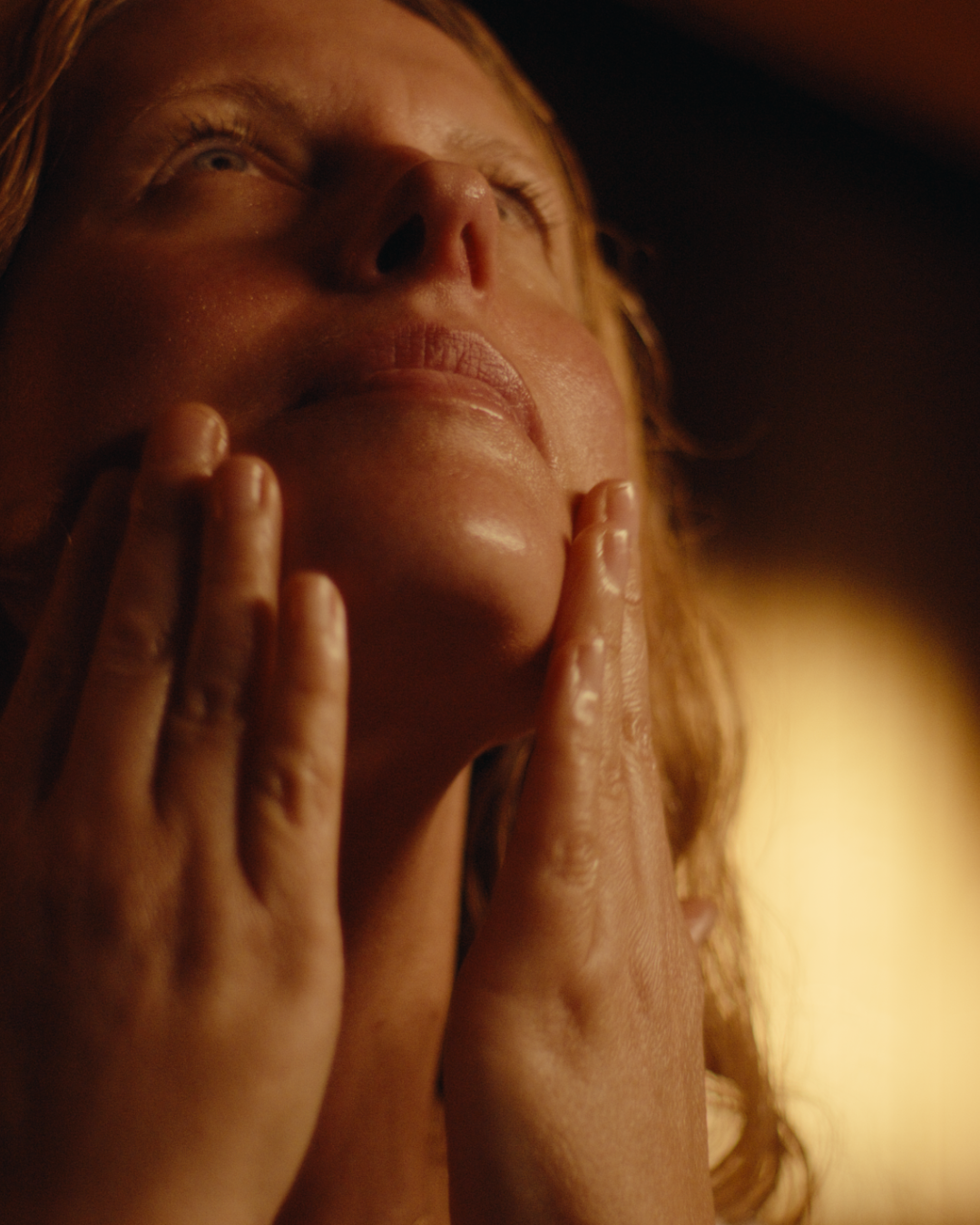
Autumn Skincare: Slowing Down, Sealing In, And Returning To Ritual
Autumn in Aotearoa has a particular kind of magic. The light softens. The air carries a sharper edge in the mornings, a coolness that asks for sleeves again. The body notices before the mind does — skin feeling a little tighter, lips a little drier, a subtle call to come back inward.
At Tahi, we see this seasonal shift as something to listen to, because skincare, at its best, is not separate from nature. It is a continuation of it. And autumn is the season of return.
What Is Changing In Autumn (On The Skin And Beyond)
As we move into autumn, both the environment and our skin begin to shift:
-
Humidity drops, and moisture evaporates more easily from the skin
-
Wind exposure increases, especially in coastal and rural climates
-
Heating indoors starts to dry the air further
-
The skin barrier becomes more vulnerable, often showing up as tightness, flakiness, or sensitivity
-
Oil production begins to slow, especially for skin that leans dry or mature

But there’s a deeper layer too — one we often forget to mention in skincare conversations.
Autumn asks us to slow down.
Not in a performative way, but in a biological way — a nervous system way. In a “you don’t need to do more, you need to do less but more intentionally” kind of way.
In Traditional Chinese Medicine, autumn is associated with the Metal element and the organs of the Lungs and Large Intestine.
These are the systems of:
-
Breath
-
Boundaries
-
Letting go
-
Elimination
-
Grief processing
-
Protection
The skin, in TCM, is closely connected to the Lungs — it is considered part of the body’s outer defence system, our “first layer of breath.” When autumn arrives, TCM teaches that the body becomes more prone to dryness — not just physically, but emotionally too. There is a natural invitation to release what is no longer needed, and to begin conserving energy for the colder months ahead.
This is why autumn skincare in TCM is less about stimulation and more about nourishment, sealing, and support.
Think:
-
Building the skin barrier rather than stripping it
-
Feeding the skin rather than correcting it
-
Supporting circulation gently rather than over-activating it
-
And restoring moisture through oil, warmth, and touch
This is where ritual becomes powerful.

Oil as Medicine: Sealing, Protecting, Restoring
In both TCM and traditional Māori and indigenous healing practices, oils are not just cosmetic — they are protective. They create a barrier between the body and the elements. They carry plant intelligence. They hold warmth.
In autumn skincare, oil becomes essential.
The act of sealing moisture in.
The act of protecting the skin from wind and dryness.
The act of telling the body: you are safe, you are supported, you can soften now.
At Tahi, this is where our native botanicals come forward as quiet but powerful allies.
Native Botanicals For Autumn Skin
Aotearoa’s native flora has evolved in some of the most unique ecosystems in the world — resilient, adaptive, deeply intelligent plants that mirror the conditions we live in.
In autumn, we lean into botanicals that support repair, barrier health, and calm.
Kawakawa
Traditionally used in rongoā Māori for its soothing and restorative qualities, Kawakawa is a grounding botanical. For skin, it supports calm, reduces visible irritation, and helps bring the skin back to equilibrium — especially when environmental stress increases in autumn. It is a plant of comfort, nervous system ease, and gentle repair. You can find it in our Oil Moisturiser.
Mānuka
Known globally, but deeply rooted in Aotearoa, mānuka is naturally purifying and supportive for skin resilience. In seasonal transitions, it helps maintain clarity without stripping — supporting the skin as it adjusts to changing conditions. It carries the feeling of protection without harshness. You can find it in our Cleansing Oil and Toning Face Mist.
Harakeke (New Zealand flax extract)
Rich, nourishing, and deeply emollient, harakeke extract is a seasonal anchor for the skin. It supports lipid replenishment and helps reinforce the skin barrier as moisture loss increases in cooler, windier conditions. It is one of our most important autumn allies — because it doesn’t just hydrate, it holds moisture. You can find it in our Oil Moisturiser and Toning Face Mist.
The Ritual: Slowing Everything Down
Autumn skincare is not only about what we apply — but how we apply it. This is where ritual becomes essential.
A simple Tahi autumn ritual might look like:
-
Cleanse slowly — remove the day with warmth and intention, not urgency
-
Press in hydration — allow skin to receive rather than be rushed
-
Warm your oil between palms — this small act changes everything
-
Massage deliberately — cheeks, jaw, forehead, neck
-
Breathe while you do it — because the skin is not separate from the nervous system
Facial massage in particular becomes powerful in autumn. It supports circulation when things begin to slow. It encourages lymphatic movement when stagnation can build. It reconnects us to touch — something we often lose in busy seasons. And perhaps most importantly, it brings us back to presence.

Autumn as a Return to the Body
If summer is expansion, autumn is integration. It asks us to come back to what is essential, to notice what needs holding. To release what we no longer need to carry into winter.
Our skin follows this same rhythm. It does not need more stimulation; it needs support. It does not need correction; it needs care. And it does not need perfection; it needs consistency, warmth, and time.
At Tahi, we believe skincare is a continuation of land, lineage, and ritual. That what grows here in Aotearoa is enough and that native botanicals carry intelligence we are still learning to listen to.
So as autumn settles in, we return to oil. We return to touch. We return to slowing down enough to notice what our skin has been asking for all along.
Read more
As autumn settles over Karamea, the land begins its quiet return inward. From the final blueberry harvest to stacked firewood, nourishing meals, and skincare rituals that shift toward restoration, ...
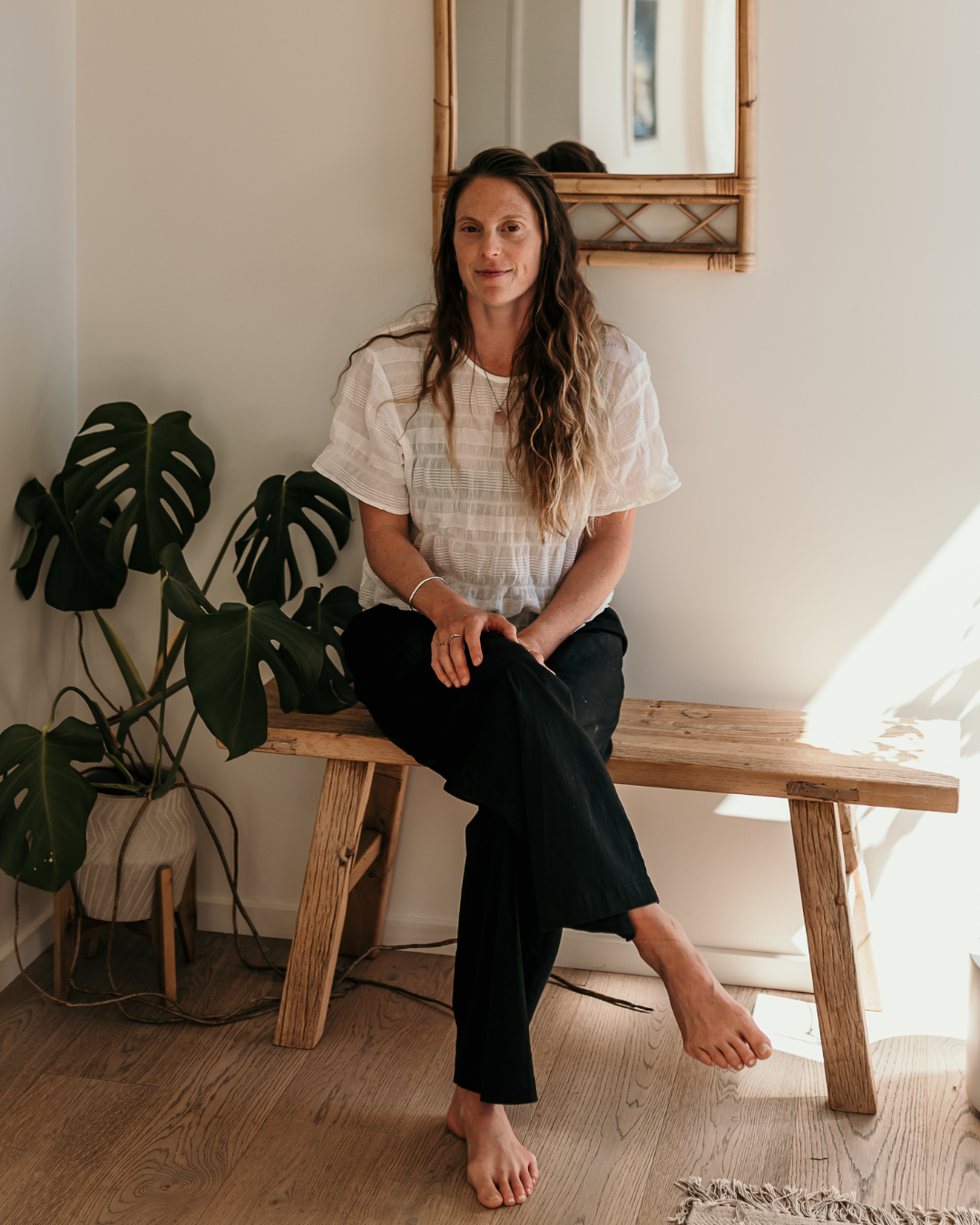
Rituals We Share is a journal series that steps closer to the people who use our products every day. These are real stories from real lives — shaped by family, work, age, seasons, and everything in...